Human + AI at the Core of 2026
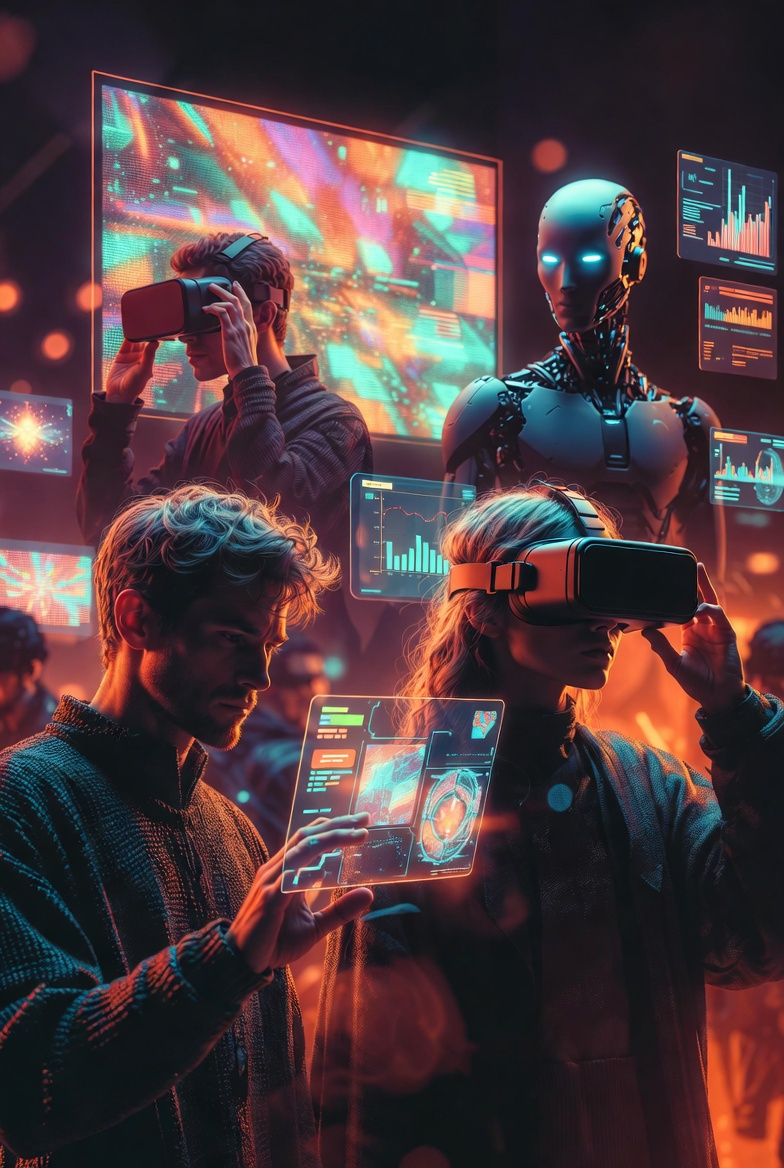
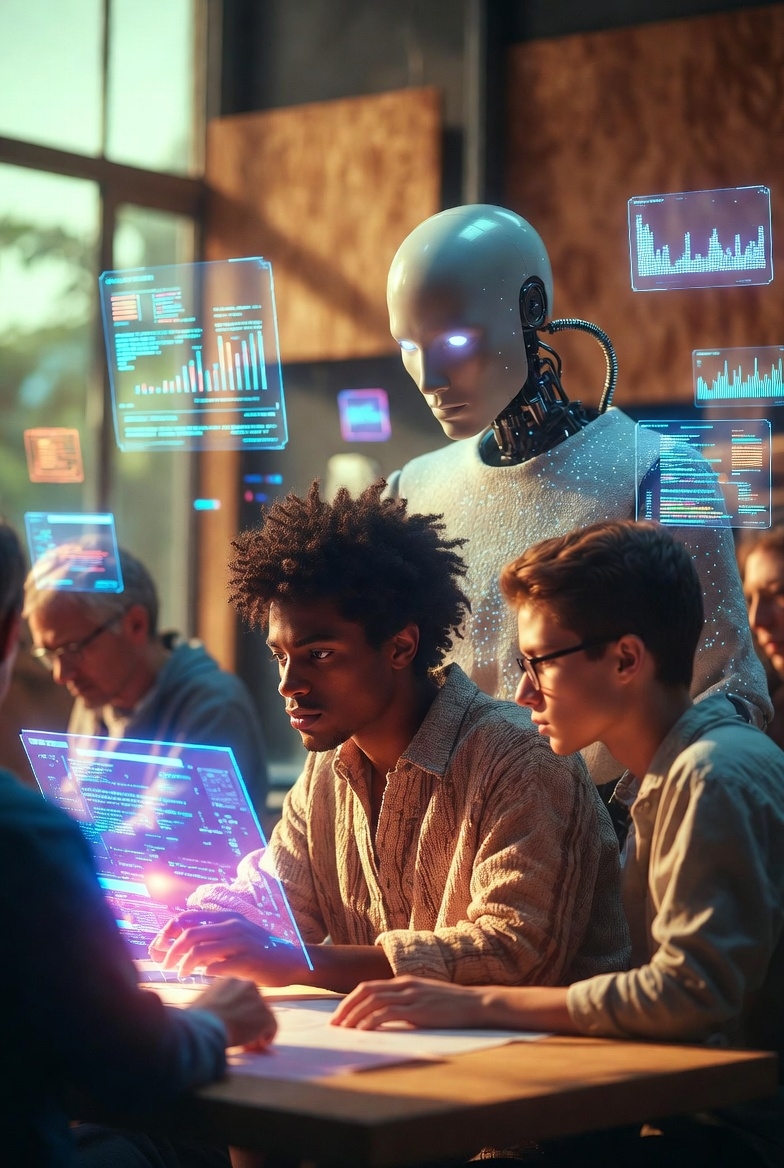
2026 marks a shift from purely reactive AI tools to agentic AI systems that reason, recommend and act with context as part of creative workflows. These systems provide insight, personalization and automation but require human strategic intent to be meaningful.
Creative leaders are now positioning AI not as a replacement but as a partner in ideation and execution. The most effective strategies integrate AI at the systems level—where it informs decision-making, media optimization, and content creation in real time instead of simply generating outputs.
Immersive and Multisensory Design
Visual culture in 2026 is increasingly immersive. Design trends emphasize experiential systems that engage beyond flat screens: layered visuals, tactile texture, sound, motion, and hybrid spatial experiences.
Typography becomes expressive and purposeful; chaotic layouts and storytelling grids reflect audiences’ desire for personality over slick perfection. Designers are embracing rich, layered aesthetics that feel authentic and context-aware.
Branding Beyond Static Systems
Brands in 2026 are moving from rigid identity systems to lived, dynamic identities that adapt across contexts, platforms and environments. This includes agentic AI suggesting brand expression adjustments based on mood, behavior signals and audience context, demanding deeper strategic oversight to maintain coherence.
Brand longevity will depend on authority, trust and felt experience—metrics that AI agents increasingly use to decide which brands to recommend across ecosystems.
Adaptive UX and Predictive Experiences
UX trends show adaptive interfaces that respond not only to data patterns but to emotional, contextual and behavioral cues. AI-assisted workflows are enabling predictive experiences that anticipate needs before users articulate them.
Multimodal interfaces (voice, gesture, context) work alongside data-driven personalization to reduce cognitive friction and create flows that feel natural and empathetic.
Marketing Strategy in the AI Era
Marketing continues to transform as AI becomes the operating system behind segmentation, testing and content optimization. Rather than chasing virality, strategy now prioritizes resonance, emotion and trust, with AI serving as an amplifier rather than a substitute for human insight.
Leading practices emphasize first-party and zero-party data to fuel personalization without violating privacy, creating experiences that feel genuinely relevant rather than algorithmically opportunistic.
Ethics and Human Agency
A core trend of early 2026 is ethical integration—design systems that guard emotional safety, accessibility, fairness and interpretability. Brands learn that algorithmic output alone doesn’t build trust; transparency and human oversight do.
Human-AI synergy is framed not as submission to automation, but as collaborative agency. Creators who master this balance will shape meaningful cultural experiences.
2026 Mid-Year Trends: Human Creativity Meets Agentic AI